

Screener questions are short questions a researcher asks to check whether you're the right fit for their study. If you keep getting screened out of surveys, the best thing you can do is answer every screener question honestly and keep your profile up to date. You won't qualify for every study, but you'll get into the ones that fit you and keep your account in good standing.
Screener questions work the same way for surveys, quick tests, recorded tests, and interviews on UserCrowd. Here's what they check and how to answer them well.
What are screener questions?
Screener questions are short questions written by the researcher (the person at a company who wants your feedback) to check whether you fit their study. You answer them before the study starts, and they might ask about things like your age, where you live, or what you like to do.
If your answers match what the researcher needs, you're screened in and can start the study. If they don't, you're screened out. As soon as one answer doesn't match, the questions stop, so you won't sit through the rest.
Being screened out doesn't mean you did anything wrong. One study might want people who shop online every week, and the next might want people who never do. On UserCrowd, if you're screened out, you're still paid for the time you spent on the screener questions.
Sometimes you'll get a profile question instead, when your profile is missing a detail a study needs. That works a little differently: if your answer doesn't match, you aren't paid, but your answer is saved to your profile. The help center explains both in Being screened in or out of a study.
How to answer screener questions
Answering well comes down to reading carefully and telling the truth about yourself.

1. Read the whole question first
Questions often include a timeframe, like "in the past 3 months," or ask you to "select all that apply." Read to the end before you choose, so your answer fits the question that was asked.
2. Answer based on your life today
Pick the answer that's true for you today, not the one you think the researcher wants. Screener questions are there to find the people a study needs, so a guess that gets you in doesn't help you or the researcher.
3. Keep your answers the same as your profile
Studies are matched to you based on your profile, so your screener answers and your profile should agree. Answers that don't match your profile are against the testing rules. If something has changed, like a new job or a move, update your profile settings first, then answer.
4. Give the same answer every time
You might see similar screener questions on more than one study. Give the same honest answer each time. Changing your answers to see which one gets you in isn't allowed, and it can cost you your earnings and future studies.
5. Skip the study if you'd rather not answer
When you start a study with screener questions, you can choose to answer them or skip the study. If a question seems wrong or you don't want to answer it, click the icon at the top left of the question, choose a reason, and select Skip the test.
6. Get set up for video screener questions
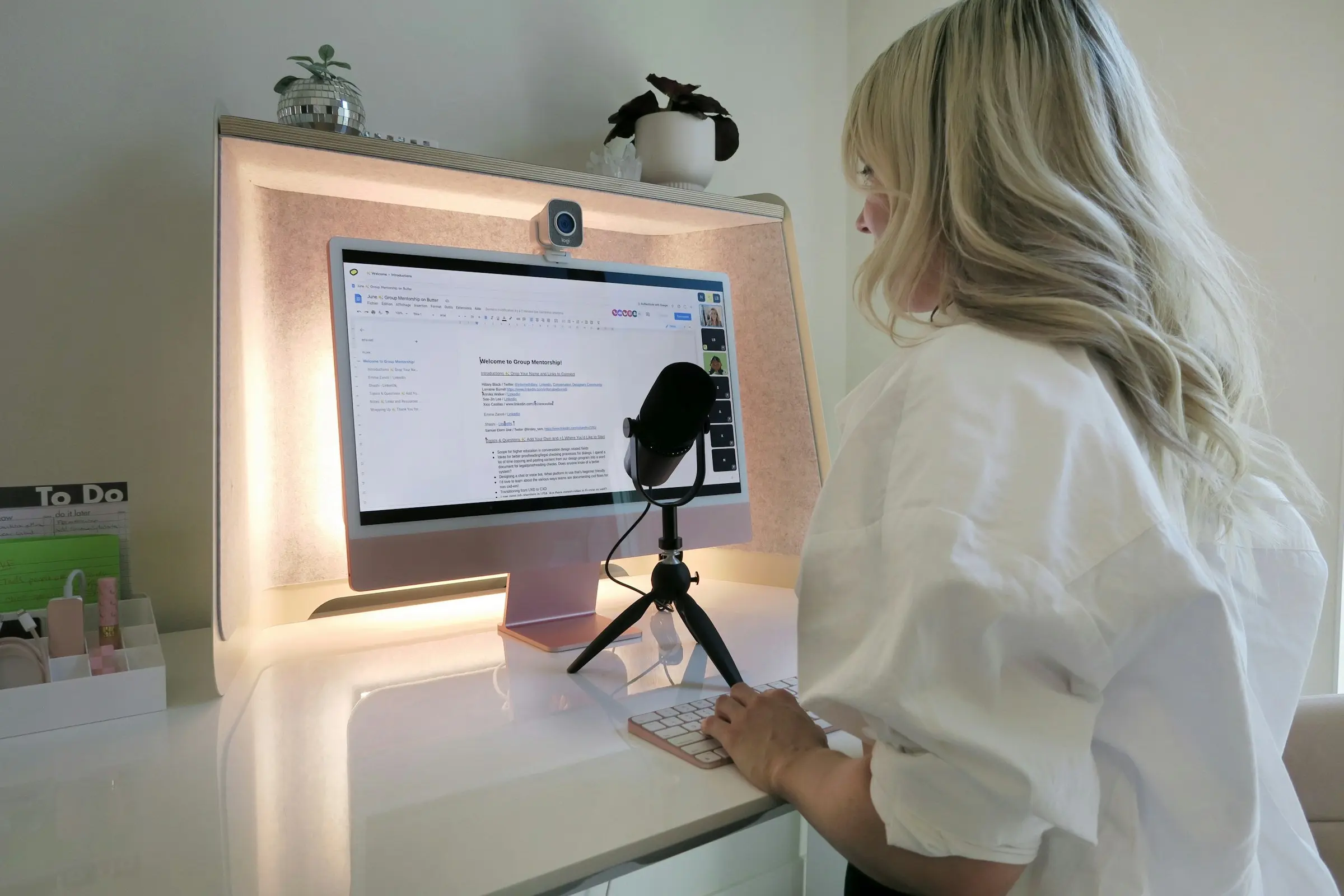
Some interviews ask you to record a short video answer as part of the screener questions. You'll need a desktop or laptop with a working camera and microphone, and the latest version of Chrome, Firefox, Edge, or Safari. Video screener questions don't work on phones yet.
Find a quiet, well-lit spot, and read each question before you click Start recording. If you're not happy with an answer, you can restart it, with up to three tries per question.

Tip: You'll see a message before any video question, and you can stop there if you're not comfortable recording an answer.
What honest answers look like
Honest answers describe your life as it is, even when another answer seems more likely to get you in. Here are a few examples:
Why honest answers get you more studies
Honest answers help keep your tester rating up, and your rating affects how many invites you get. On UserCrowd, invites depend on two main things: whether your details match what a researcher asked for, and your tester rating. Members with higher ratings get invites first.
If you stretch the truth to get into a study, you'll be asked about things you don't know much about, and it's hard to give a good answer. Low-quality answers lower your tester rating, and a lower rating means fewer invites.
Dishonest answers also break the testing rules. Lying on screener questions can lead to a ban, and if you're banned, you lose your balance and any future studies. For interviews, dishonest screener answers can mean losing future interview invites.
Honest answers won't get you into every study, because how many studies you get depends on who researchers are looking for. But they mean the studies you do get are ones you can answer well.
What to avoid when answering screener questions
These habits can cost you studies, your earnings, or your account:
Guessing what the researcher wants and answering to match.
Giving screener answers that don't match your profile.
Trying different answers on similar screener questions to see which one works.
Rushing through questions without reading them.
Leaving your profile out of date after something changes.
Other ways to get more studies
Your screener answers are only part of it. Your profile, tester rating, and notification settings also affect how many invites you get, and How to get invited to more studies covers each of these.

FAQs about how to answer screener questions
Yes. On UserCrowd, if screener questions screen you out, you're paid for the time you spent answering them. If you don't qualify because of a profile question you're asked when you accept an invite, you aren't paid, but your answer is saved to your profile so you're matched better next time.
Each researcher writes their own screener questions and is looking for specific people, so one detail can make the difference. Being screened out doesn't mean you did anything wrong. That study just needed someone else.
Yes. When you start a study with screener questions, you can skip the study instead of answering them. You can also report screener questions from the question screen if something seems wrong.
Update your profile as soon as something changes, like a new job or a move. Keeping your profile current is one of the testing rules, and it means your profile and your screener answers always match.
No. Nobody qualifies for every study, because each one looks for different people. What helps is a complete, up-to-date profile and honest answers.